IN PRAISE OF STALE BREAD


Wait a moment before you throw out the stale remains of that loaf of bread.   Even as it stales, bread made with natural ingredients will continue to play its ancient role as the staff of life. (In Egypt, the Arabic word for bread, aish, also means life.) Imagine instead all the ways slices of days-old bread can be transformed into a restorative meal. 


My preferred way to quickly revive yesterday’s bread is to toast it.  Heat releases flavors in the wheat and caramelizes its sugar to create a crunchy, roasted wheat flavor.  Drop a moist dollop of crushed olive paste or tuna salad on a slice, toasted or not, and it is born again as a tasty bruschetta. 
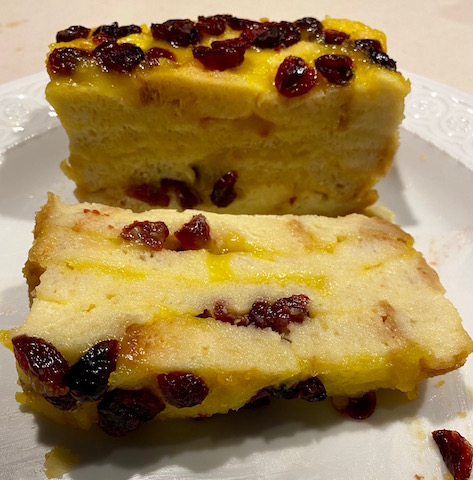


In the weeks leading up to Mardi Gras dry bread becomes the key ingredient in rich bread puddings. Its single serving equivalent, French toast, is particularly flexible.  Serve it for dessert with honey, syrup or ice cream, for breakfast with fruit or as a savory luncheon sandwich filled with sautéed onions and Gruyère cheese.  


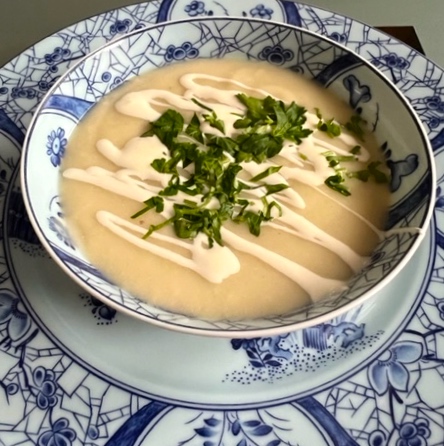
Possibly the oldest soup recipe was prepared by pouring hot broth over a thick slice of stale bread.  If this sounds fanciful, try to imagine a French Onion Soup without the garlic-scented crouton and melted Gruyère cheese.  Madeline Kamman’s 1976 classic, When French Women Cook introduced me to the elegant simplicity of Bread Soup. Her recipes combine bread soaked in milk with added broth and sauteed  shallots.  I have scaled back her addition of a copious amount of cream to one tablespoon of crème fraïche (or yogurt) drizzled over the surface.   It’s a wonderfully comforting meal on a cold winter night. 
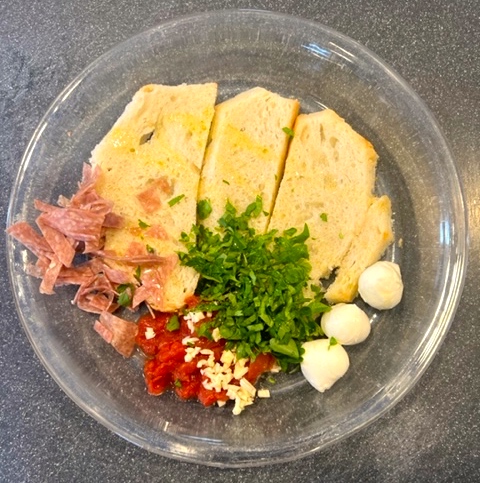


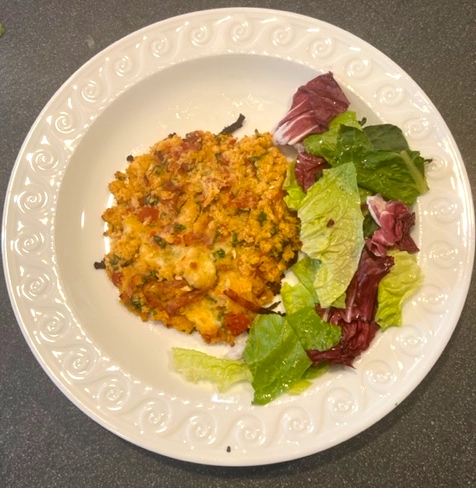
The height of transformative baking with stale bread is Bread Pizza, and it is quicker and cheaper than having one delivered .  Simply gather leftovers from the refrigerator: cheese, lunch meat, cooked vegetables, some parsley.  Chop them up and mix them with a couple slices of day-old bread, crusts removed, soaked in water and mashed with a fork into a puree.  I like to add a tablespoon of olive oil and a clove of diced garlic.  Squeeze out the water in your hands for a toasted consistency; leave it wet if you prefer a pudding-like texture.  Bake it in a 500 degree oven for 10 -12 minutes.  I guarantee you will experience a childlike sense of satisfaction with your accomplishment. 


IN PRAISE OF WINTER TOMATOES

UglyRipe2

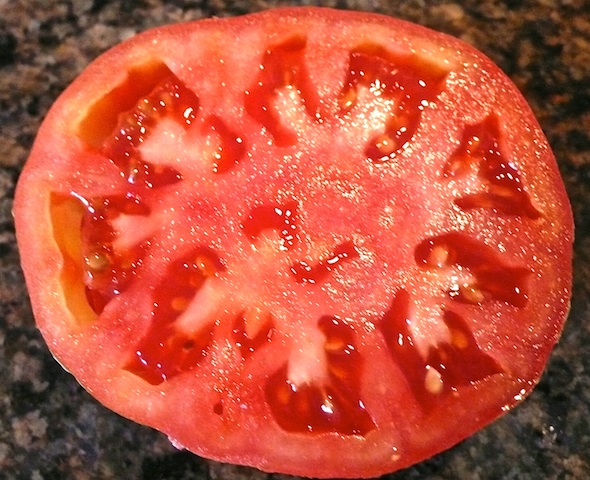
Only the most stubborn optimist expects to find tasty tomato in January.  But that describes me perfectly!  I’ve fought against disappointment with every winter tomato out there: tomatoes with stems attached, hydroponic and organic ones.  They may look red, round and ripe but just one bite confirms they are impostors.  But there is hope.  I enlarged my search to include “strange-looking” tomatoes.  Bingo!   I found two surprisingly delicious varieties, in my local grocery.

INSIDERS' GUIDE TO PARISIAN ETIQUETTE


poteau

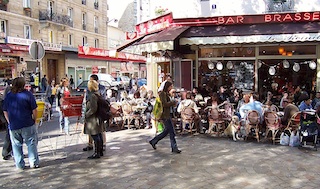
Getting ready for a trip to Paris means hitting the books.  Guide books that is.  The choice  is amazing - everything's been researched, from the city’s monuments, restaurants, gourmet food, to lingerie shops (there are lots of these).  What’s missing? A guide to the city’s inhabitants.  Parisians can be intimidating with their impossibly thin profiles, trend-setting chic and "dangerously high self-esteem" (my daughter's expression).  How can we Americans in our jeans and sneakers hope to win them over?

Jamming on Rhubarb

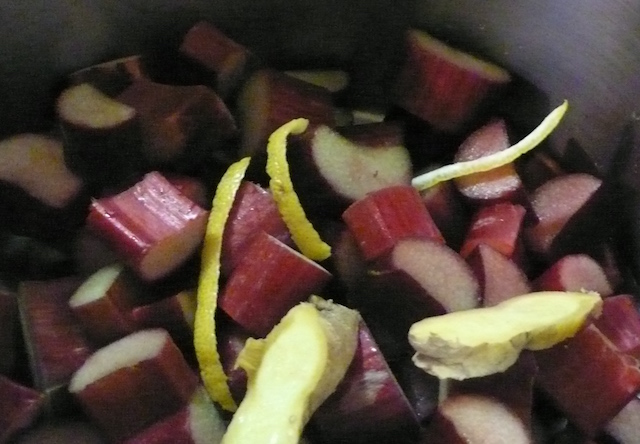
Spring arrives in my kitchen with the first batch of rhubarb jam.  I know the recipe by heart: simmer rhubarb chunks, sliced ginger root and lemon strips for ten minutes, then add sugar.  I stop at this point, cool a spoonful of the hot jam, and taste for just the right balance of sweet, sour and spicy flavors.  Am I finished? Not quite....

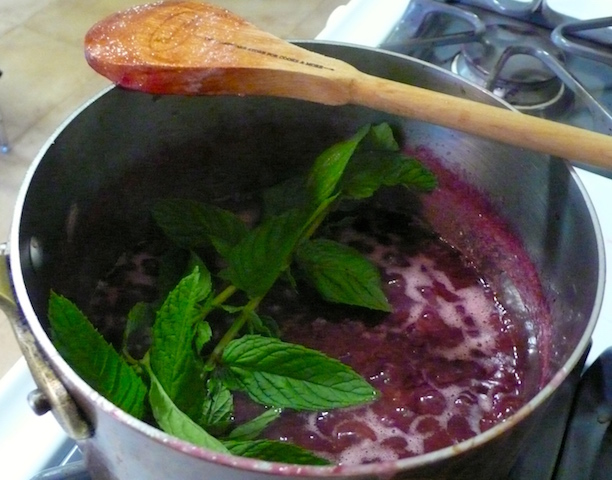
This year I let two stems of fresh mint steep in the hot jam for a few minutes.  They just happened to be in the kitchen that morning, a gift from my daughter-in-law’s garden.  The result was pure serendipity (one of my favorite words).  The mint oil’s cooling fragrance added a new refreshing finish to the preserve.  It felt like a real discovery.


The art of fruit preserving offers the cook a number of private pleasures.   First is the enjoyable flow that comes from working with ones’ hands, then there’s that elation of discovering a new flavor combination, and finally the smug satisfaction of having jars of jam to share with family and friends. 

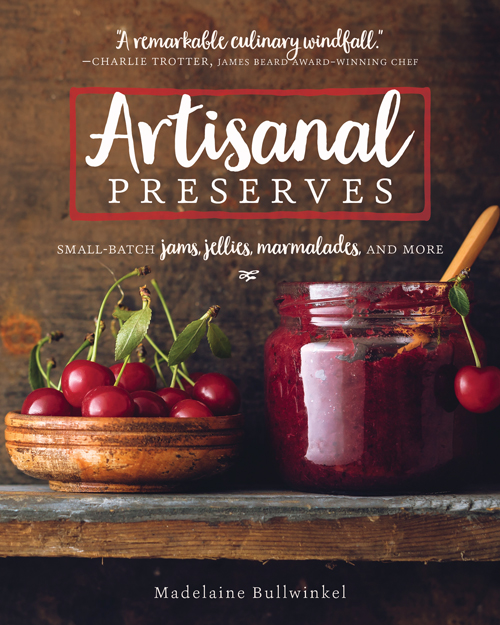
 You can try your hand at making jam and jelly with me on July 29 at the Alliance Francaise de Chicago (810 N. Dearborn Pkwy).  We will prepare recipes from my newly reissued cookbook Artisan Preserves, formerly entitled, Gourmet Preserves, Chez Madelaine.  

 The book’s official launch is on the preceding Sunday, July 23, at Read It And Eat (2142 N. Halsted).  Stop by for afternoon tea, a discussion of the book and your signed copy of Artisan Preserves. 

The contents of  Artisan Preserves are as timely as they were in 1984 when the book was first published.  Only the title is new.   It remains a guide to the chemistry, basic techniques and the creative potential of fruit preserving. There is a also a section devoted to the breads, pastries and desserts that will showcase your delicious homemade preserves. 


KALE GOES GASTRONOMIC IN PARIS

Kale1

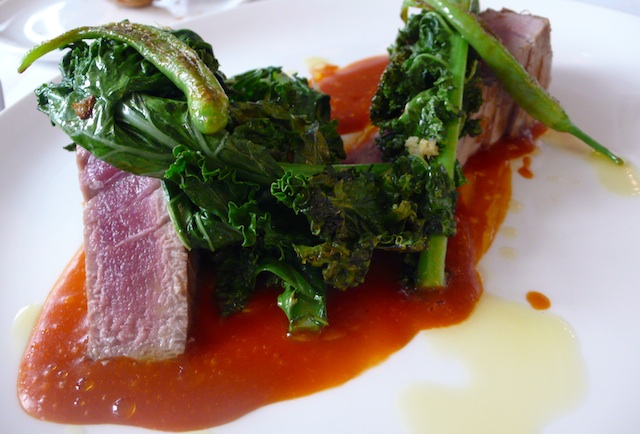
Long regarded a green non grata, kale is making its debut on the upscale Paris dining scene. The tough, fringed leaves of this cabbage family member.don't lend themselves to delicate presentations.  A chef who works with kale has to make a bold statement.   Geoffroy Maillard did just that last week at La Table d'Eugene, the Michelin-rated bistro in our neighborhood   My luncheon serving of yellowfin tuna arrived literally blanketed by whole kale leaves.  

Chef  Maillard didn't stop there.  He positioned two mild roasted green chilis like parentheses on top of the kale. The spiced tomato puree surrounding the generous tuna slices  while fresh and tasty, was also reminiscent of - dare I say it - ketchup!  In the past, I've had to "Google" the exotic produce on Chef Maillard's menu before bringing my clients.   These ingredients were a no-brainer.

Kale is quite likely a new addition to Chef Maillard's repertoire.  Why else would the waitress set my table with a fish knife?  There was no way I could have cut through kale's firm center rib with it.  After I requested a regular table knife, she set every other serving with one as well.  Diners around me all ate the chewy leaves and wiped up the sauce with pieces of freshly baked house rolls.

If kale makes a comeback in France, credit will be given to the passionate efforts of an American, Kristen Beddard.   In the last two years, she has made it her mission to raise consumers' awareness of  kale's nutritional virtues and encouraged French farmers to grow it.  You can find out more about her plans by visiting the website: The Kale Project.