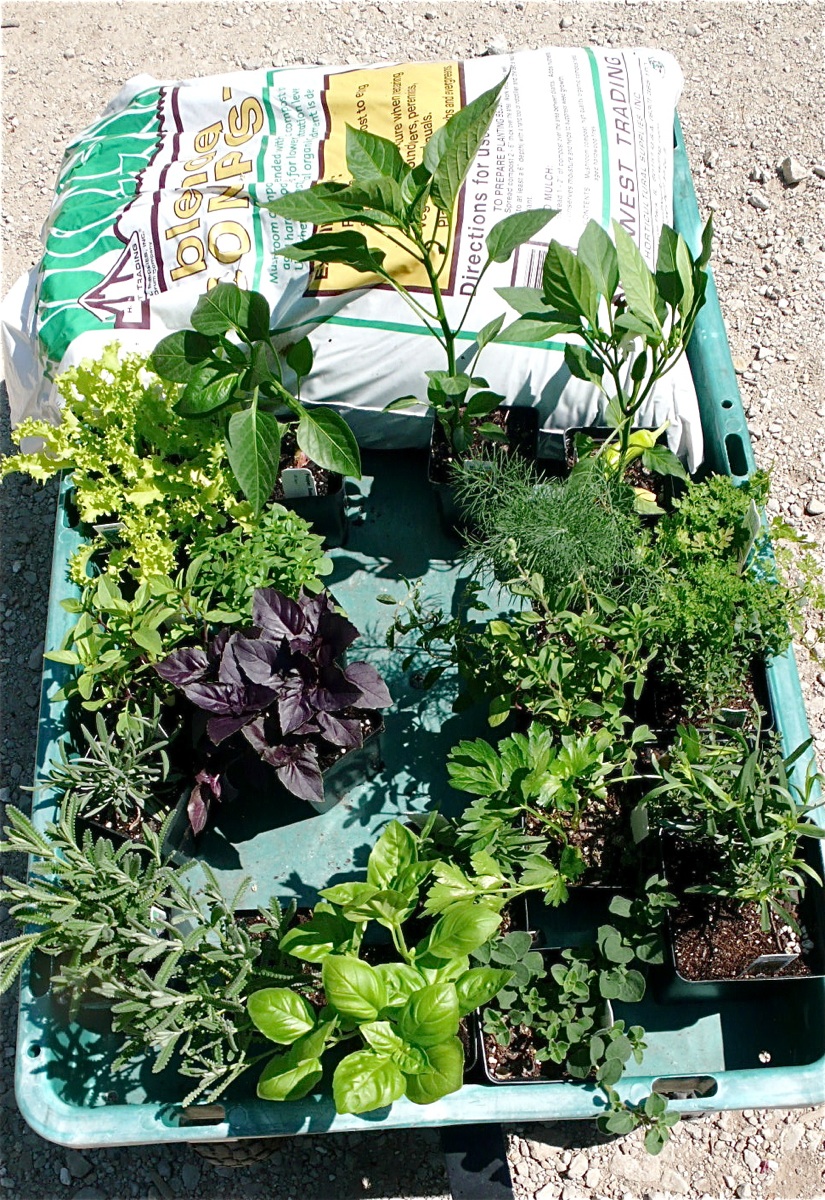
Undeterred by last year's losses, I purchased new thyme, rosemary, tarragon and oregano plants as well as the usual annuals: basil, dill, chervil, savory and marjoram. I’m like a kid in a candy shop at a plant nursery. Why so many? The scent of their essential oils on my fingers, gives me an immediate sense of well-being; on some unconscious level they influence my choice of seasonings.
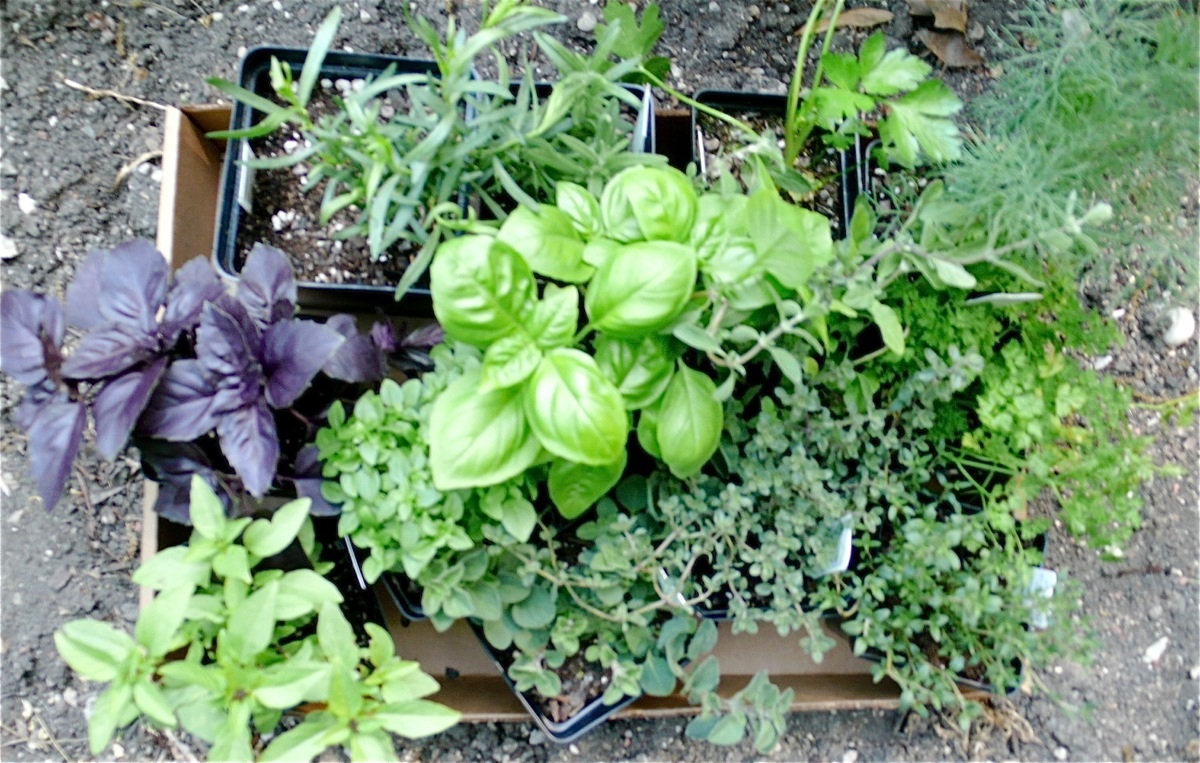
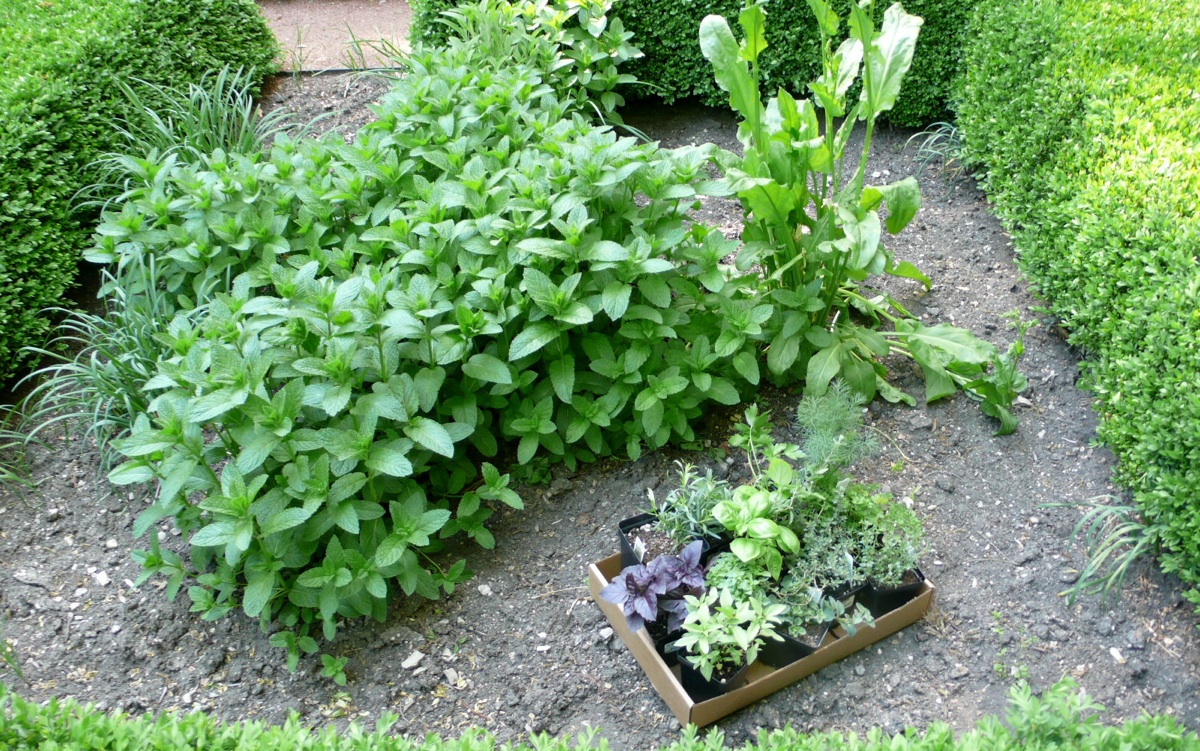
Planting the young herbs took very little time once the hyperactive mint was gone. I forked in a fresh layer of hardwood bark and black soil well aware that this effort was for my own benefit. Most herbs are native to rocky, impoverished Mediterranean soil and thrive on benign neglect and an occasional trampling by goats. But, in my kitchen garden, herbs thrive because of their setting, not in spite of it.
My approach to cooking with herbs has evolved over four decades. I’m no longer tempted to refer to charts that match herbs with ingredients. My eyes glaze over from all the possibilities. In fact, I’ve reversed the pairing process and now look for ways to showcase herbs by first concentrating their aromas in marinades, herb infused sugar syrups, vinegar and butters. Look for recipes using these techniques later in summer as my plants grow.
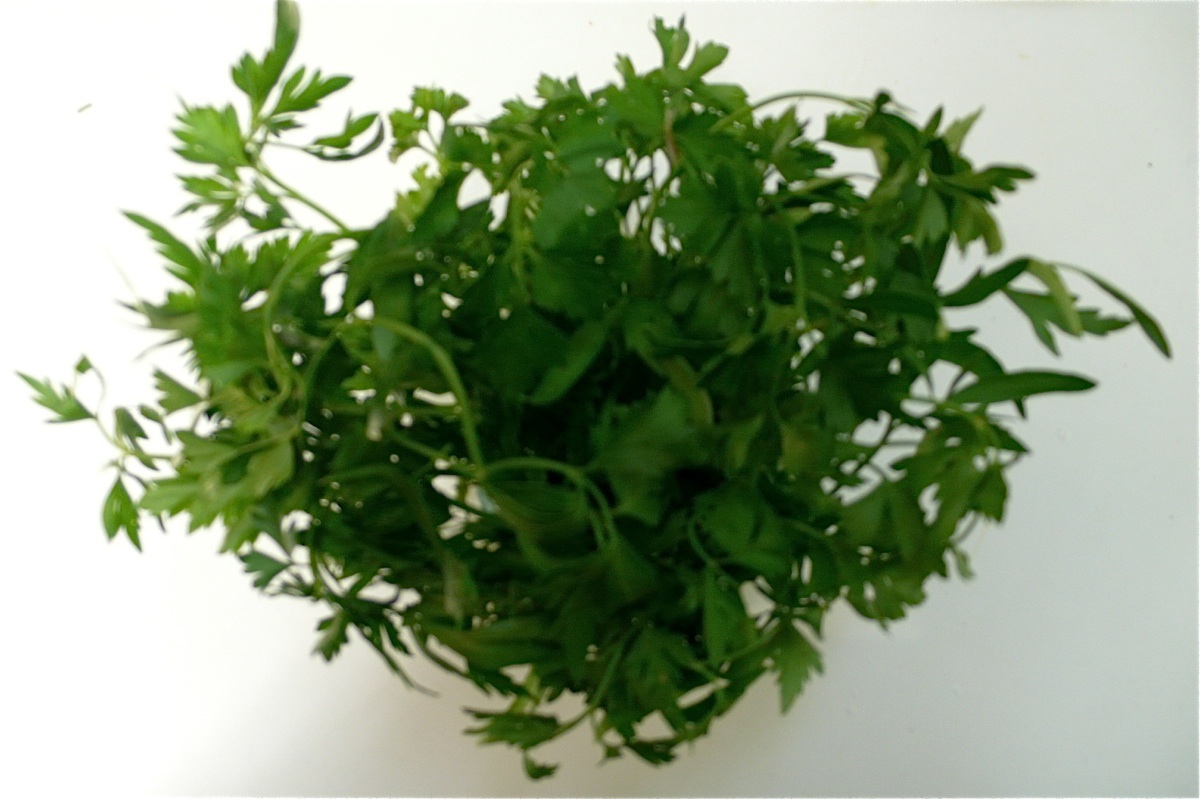
But why wait? The synergetic combination of parsley and garlic, available year-round, will fill in the gap. Parsley, mixed by the handful with minced garlic, olive oil and a splash of vinegar will enliven any number of grain or vegetable salads. More than one friend has confided that they order escargot persillade primarily to dip bread into the bubbling, parsley and garlic butter sauce.
Parsley’s centuries old reputation as a breath-freshener masks its unusually high vitamin content. Just two tablespoons of fresh parsley provide more than 50% of our daily requirement for Vitamin K (for bone strength and blood coagulation) and about 15% of Vitamins C and A, more than most citrus and vegetables. In addition to its role as a pungent complement raw garlic is also a good source of Vitamin C and helps lower blood pressure.
Enjoy grazing on these ‘good for you’ summer seasonings!
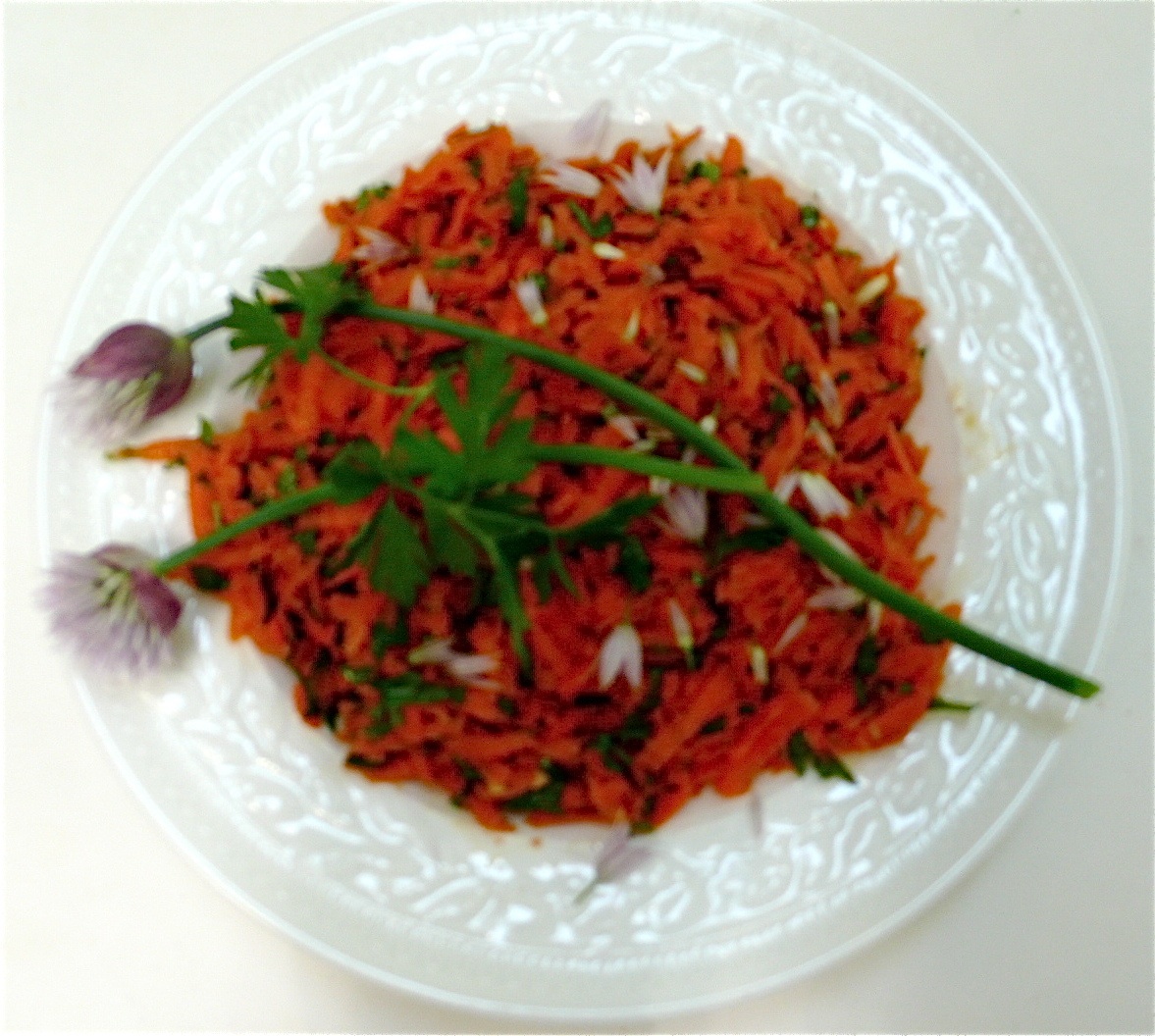
CARROT SALAD WITH PARSLEY
http://www.chezm.com/welcome-to-recipes/61-salads/440-carrot-salad-with-parsley
TABBOULEH SALAD
http://www.chezm.com/welcome-to-recipes/64-grains-and-beans/333-tabbouleh-salad-with-parsley
BAKED TOMATOES PERSILLADE
http://www.chezm.com/welcome-to-recipes/44-vegetable-dishes/642-tomatoes-parsley-butter-garlic-panko
