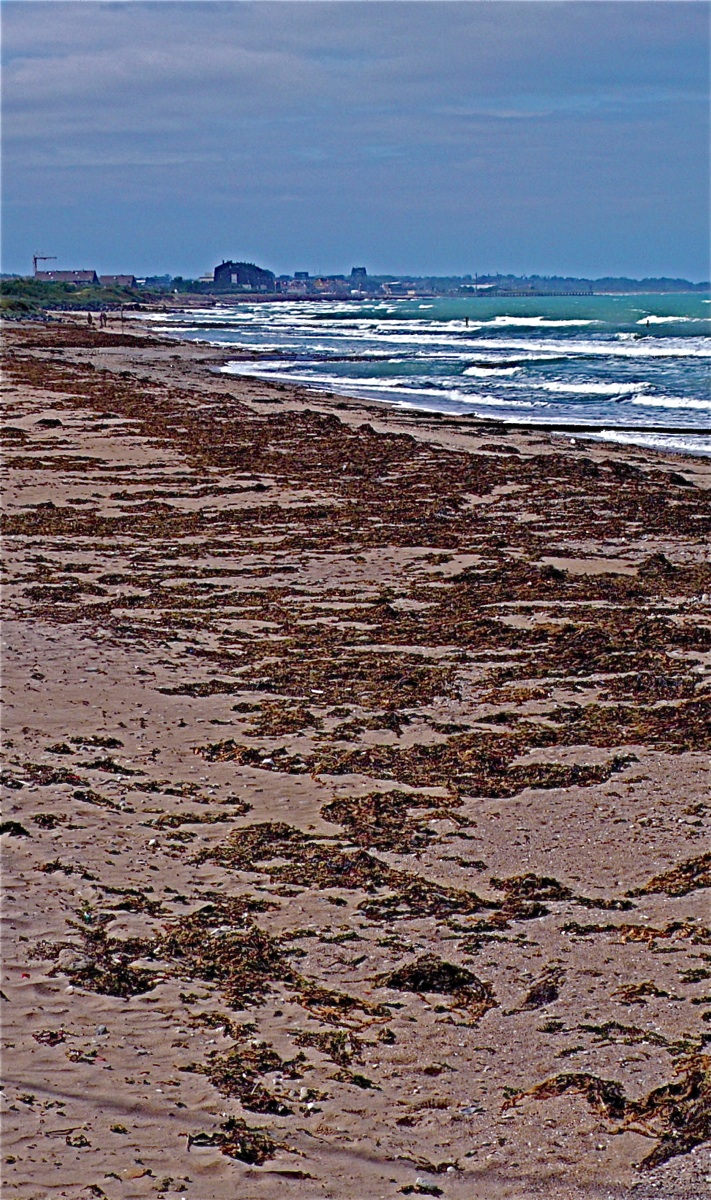
 The Atlantic seascape was calm and vast under a sky of billowing clouds as we drove along the northern shoreline of Normandy. The lush countryside felt foreign at first - our departure from the crowded Gare St. Lazare in central Paris still lingered. But it was for real. A two hour train ride had delivered us at land’s end.
George and I had come to explore the stretch of coastline between Cabourg and Honfleur advertised in tourist literature as the cote fleuri. I had translated fleuri to mean flower gardens, wind-swept boardwalks and quaint resort towns. I’ve got to get a new dictionary. It wasn’t like that at all.
Among these towns, port of Honfleur came closest to depicting fleuri in the sense that it had the most to offer visitors (my translation). The town is wonderfully picturesque, full of life and rich in historic highlights. It’s weather-beaten appearance can be attributed to its siting at the mouth of the Seine River. Honfleur has been the target of numerous naval attacks since the 11th century.
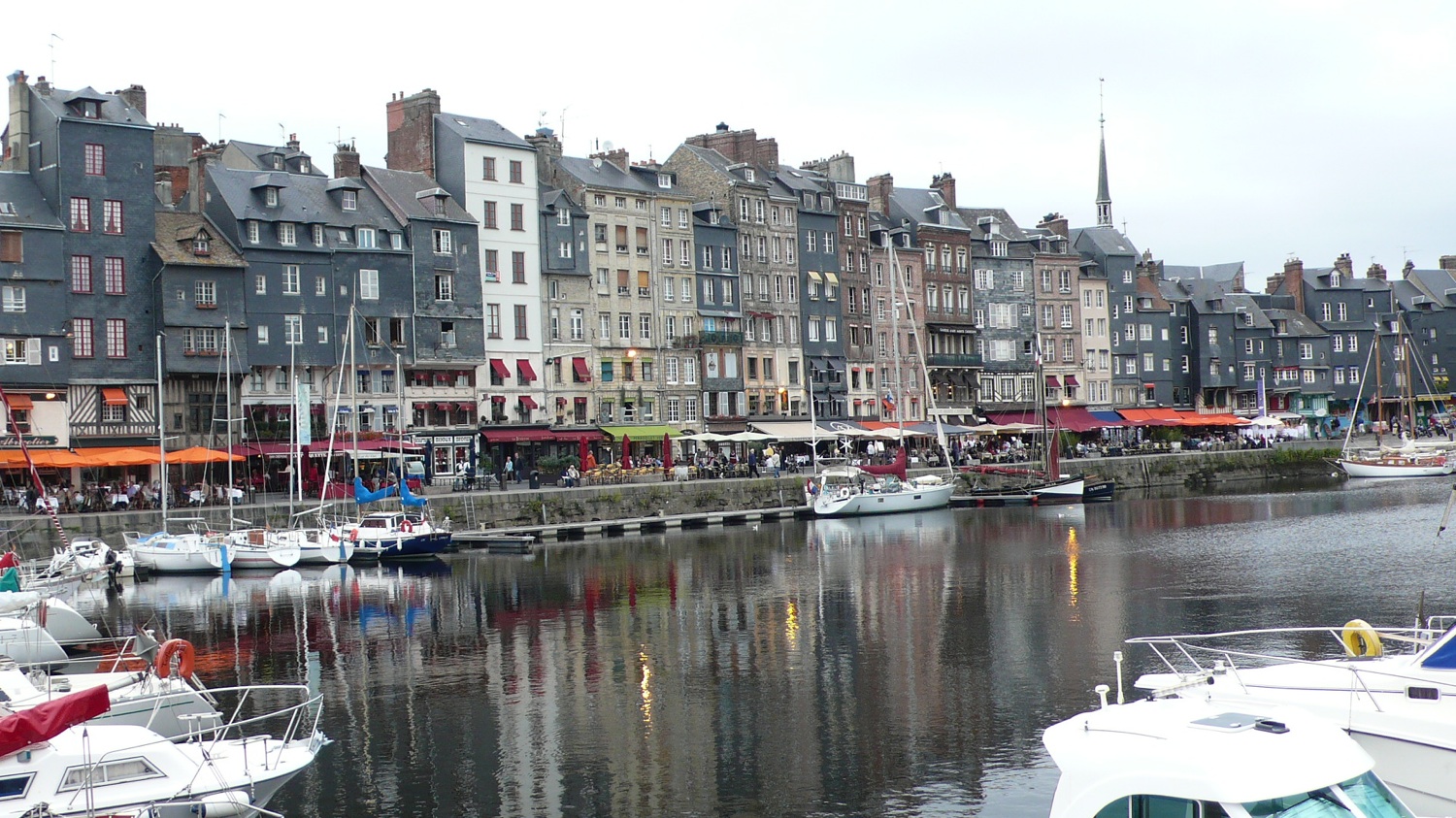
Our visit coincided with a modern-day attack - a cruise ship the size of Idaho was parked at the deep end of the port. We mingled with swarms of day-trippers, wandering the streets, taking photographs, and filling cafe tables at water’s edge. Then at some witching hour, the boat people disappeared into the mother ship, leaving the town quiet and nearly empty.
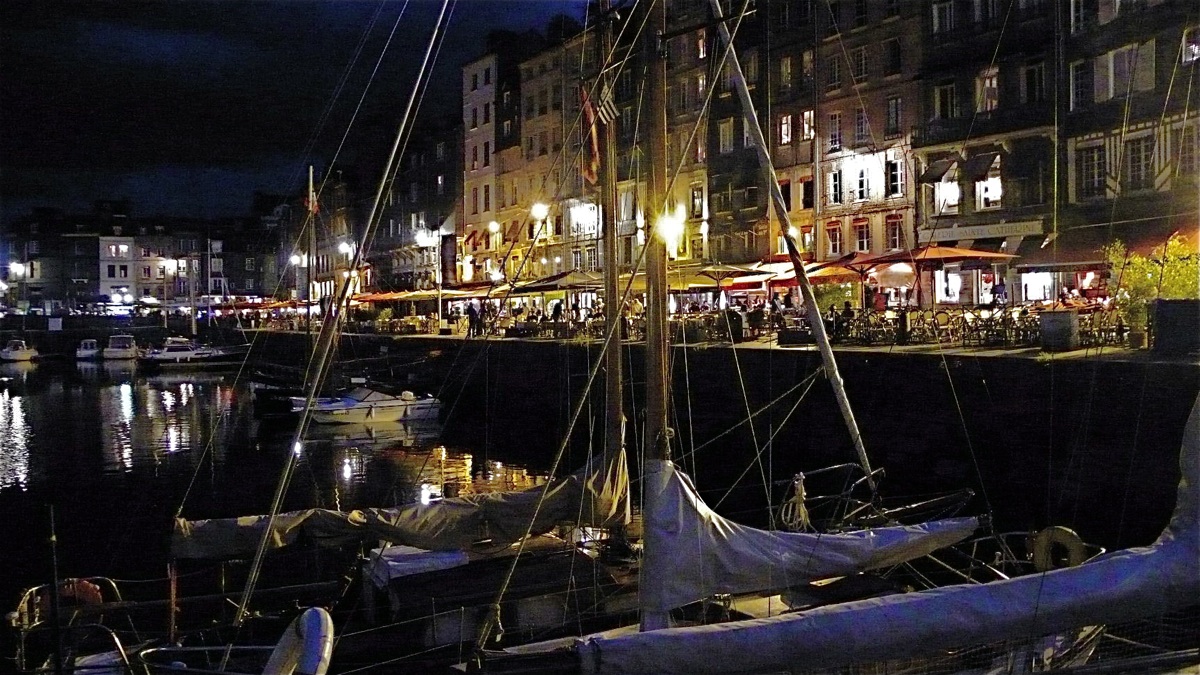
Instead of fighting off waves of tourists, Honfleur offers them restaurants, art galleries and gift shops. They occupy the ground flour of most buildings around the picturesque boat basin. Every cafe and bistro posts its menu at the door. Visitors stop to check the plat du jour as they walk through town with the result that everyone on the street is thinking about their next meal. (I’m speaking for myself here.) This is the kind of comparison shopping that no iphone app can hope to duplicate. Honfleur is a town in which menu reading is a viable pastime.
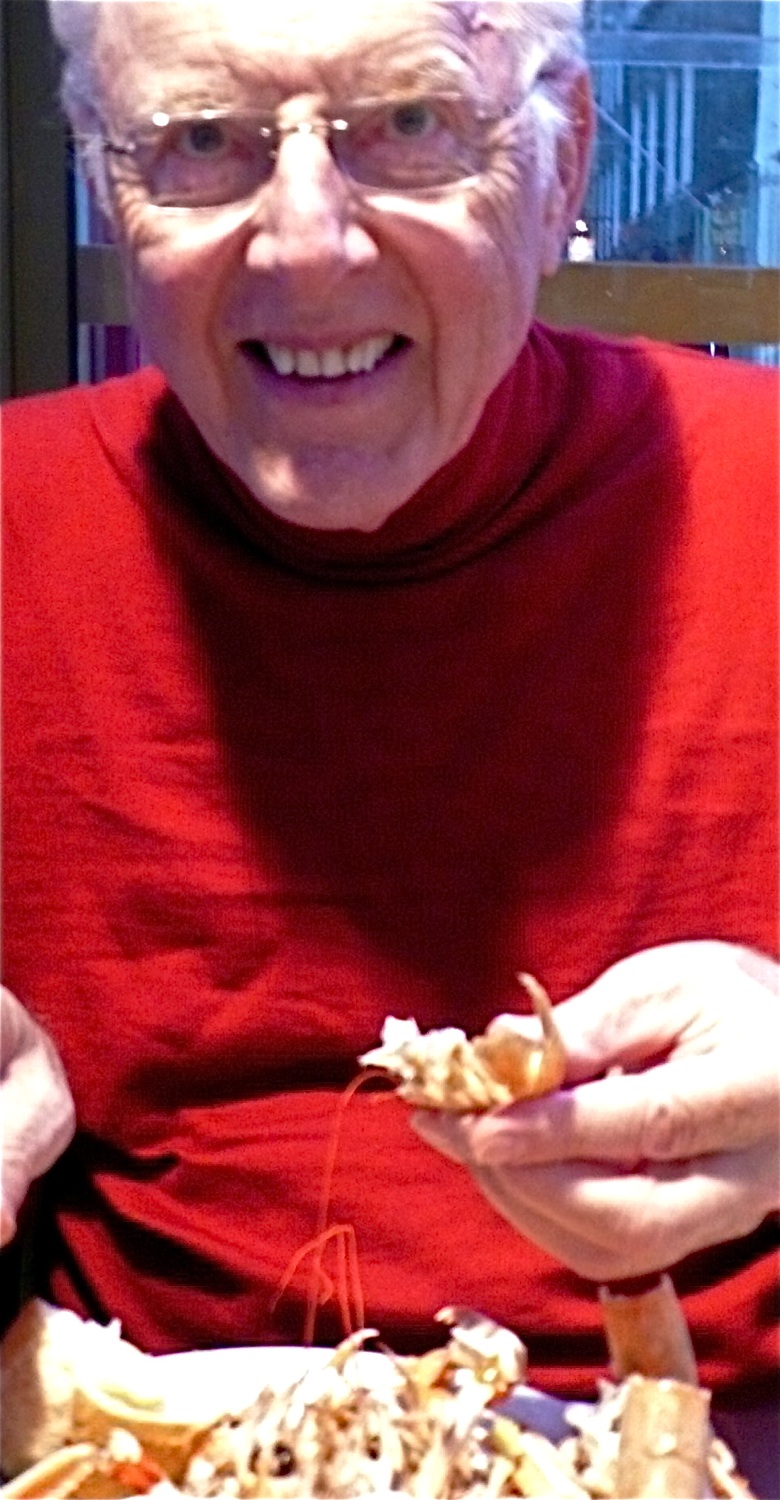
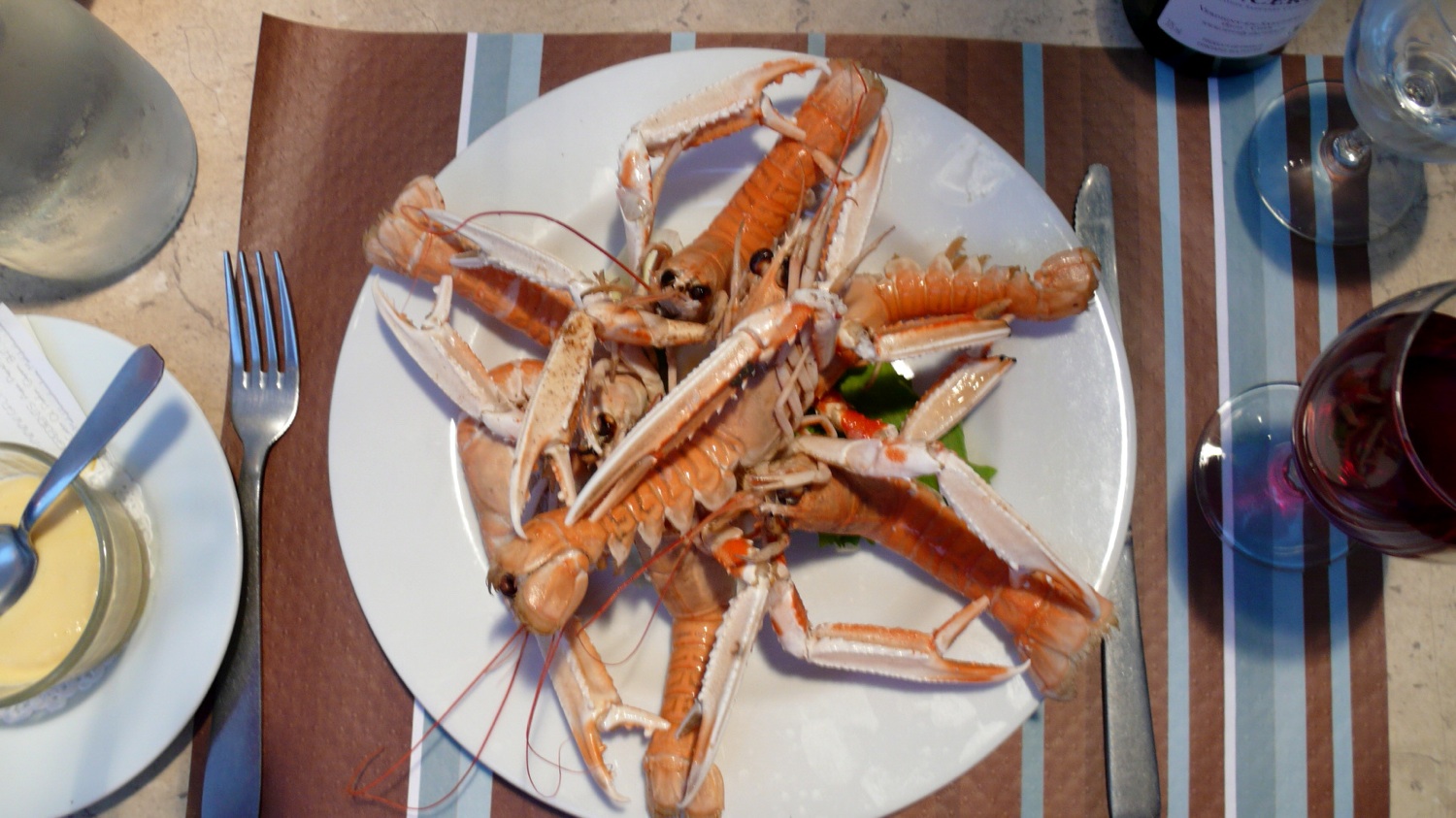
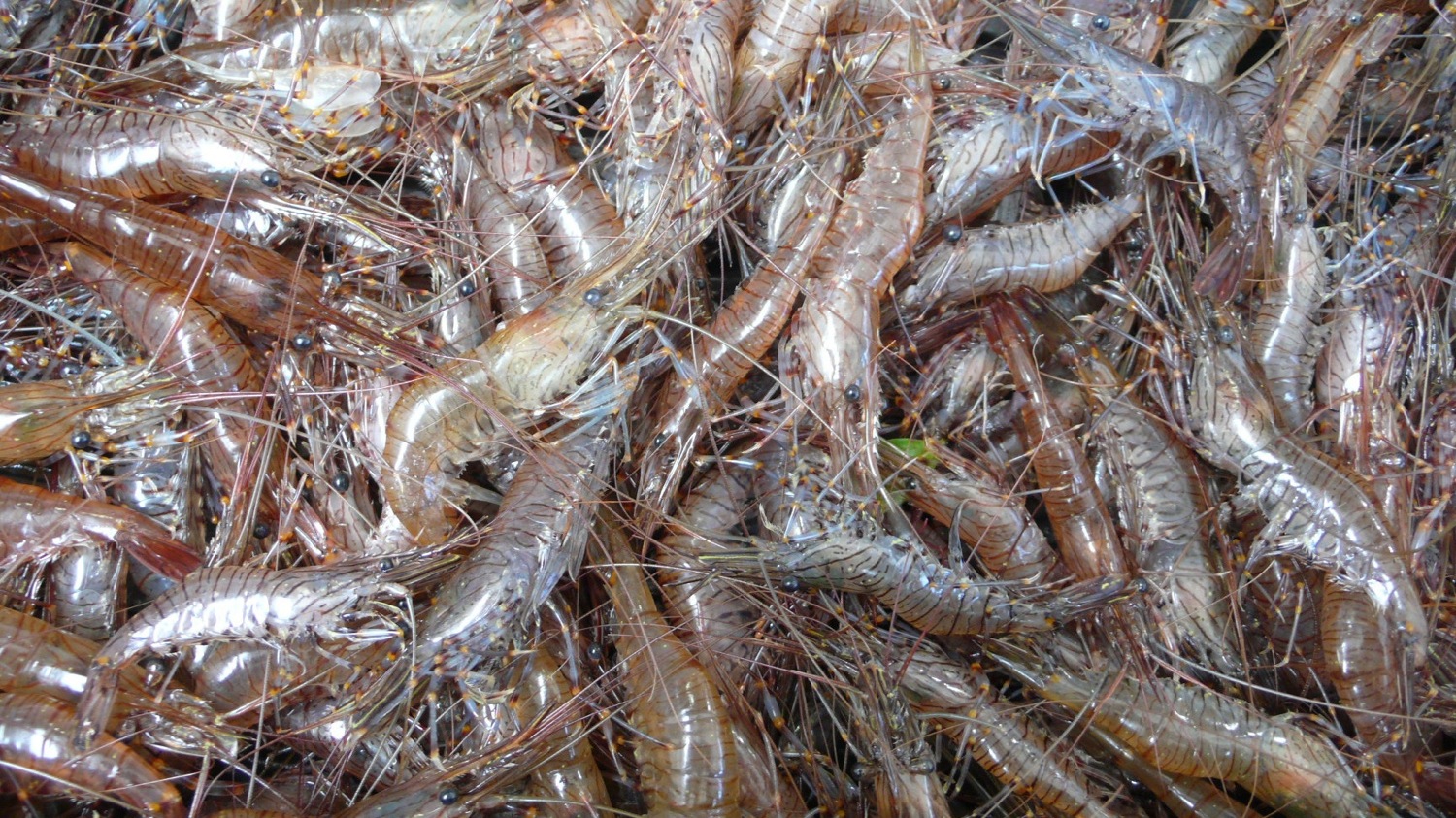
We did make a point of trying the exotic seafood. For me it was tiny, sweet squid called encornet cooked with tomatoes and peppers. George enjoyed the challenge of dissecting a plate full of langoustines. He found the bulot less appealing: a snail-grey blob in the shape of a cork screw. We both consumed quantities of plump moules normands, mussels steamed with cider that is then thickened with heavy cream.
In France, when someone says, “Normandy” apples come to mind. This fruit appears in any number of sweet and savory dishes, but the bulk of the harvest is vinified into hard cider and distilled into an intense apple brandy called calvados.
For cheese lovers, Normandy is the home of camembert, Pont l’Eveque and liverot. The regions wonderful dairy products turn up at every meal in the form of local butter and cream.
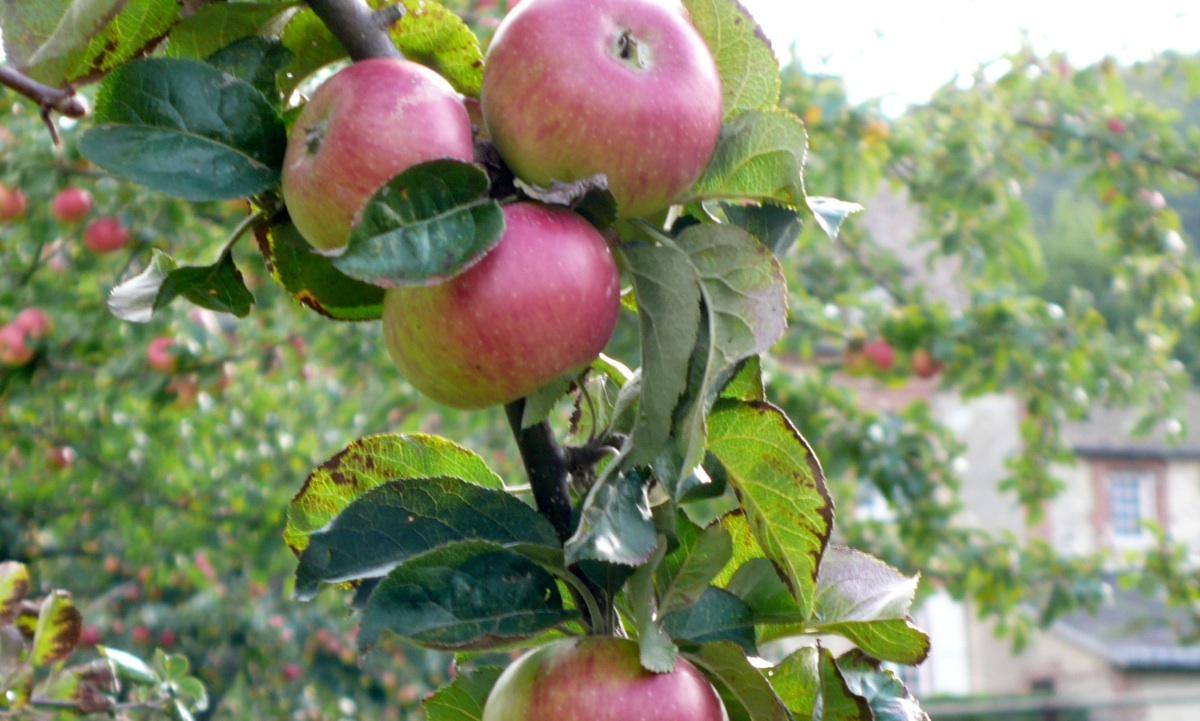
Unfortunately, I was unable to find any artisan cheese or cider producers along the coast. Nor was I successful in seeing a distillery actively making calvados. The makers of calvados we visited, both large and small were clean, the alambics polished, like museums. Ripe apples hung on nearby trees, but there wasn’t a whiff of apples in the air.
I will share the discoveries we made between meals in Normandy in a future blog.
