A post-pandemic world is coming into focus for those of us lucky enough to live in countries where a vaccine is readily available. Yet this is hardly a high five moment. Despite the heroic efforts of scientists and doctors, the rapidly mutating coronavirus continues to rage in poorer countries. While we wait in hopes this virus will become a preventable disease, each of us can help combat one environmental foe that is hiding in plain sight.
It is time to take action to reduce plastic litter to which we contribute every day. It is is just one of the many issues signatories to the Paris Agreement will address, we don't know when. There is current legislation being proposed in Illinois to restrict single-use plastic that will surely be stymied as it has been elsewhere by preemptive bans sponsored by the plastics industry. Meanwhile, 11 million pounds of plastic will enter Lake Michigan again this year. In the words of my childhood heroine, little red hen, when no one could help: ‘I will do it myself."
Plastic is the kind of valuable innovation whose usefulness has outstripped our need for it. The first synthetic polymer was invented in the 1870’s specifically to save wildlife. Plastic billiard balls replaced ones made from the tusks of elephants who were being hunted to extinction; a comb made of plastic saved the hawksbill turtle whose shell was prized for combs. Archival vaults filled with celluloid reels hold the invaluable history of photography and the film industry. And let’s not forget how the introduction of nylon stockings seduced and freed women in the 1930’s.
We can’t say we weren’t warned about the potential for the explosive growth of plastics in the last fifty years. Do you remember the business advice Dustin Hoffman received In the 1967 film The Graduate albeit from one of his father’s drunk friends? “ I have just one word for you,” he said, “Plastics!” That throw-away line was uncannily prescient. We now have to try to undo the mess we failed to anticipate.
Here is a short 'do' list of measures I am adopting to shrink my plastic footprint:
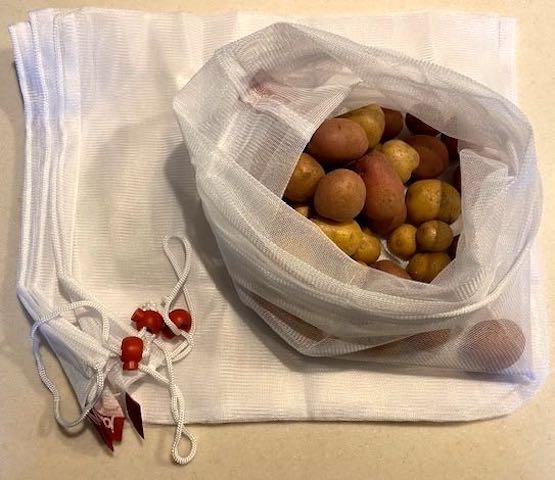
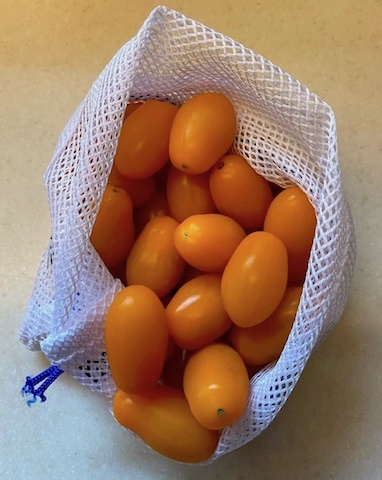
1. Take small expandable mesh bags to the market to hold loose produce; take large recyclable sacks to hold all purchases.
2. Carry a refillable water bottle. Avoid drinks sold in one-use plastic bottles.
3. Look for staples sold in recyclable containers rather than plastic. Reuse unavoidable plastic containers at least once but never reheat food in them.
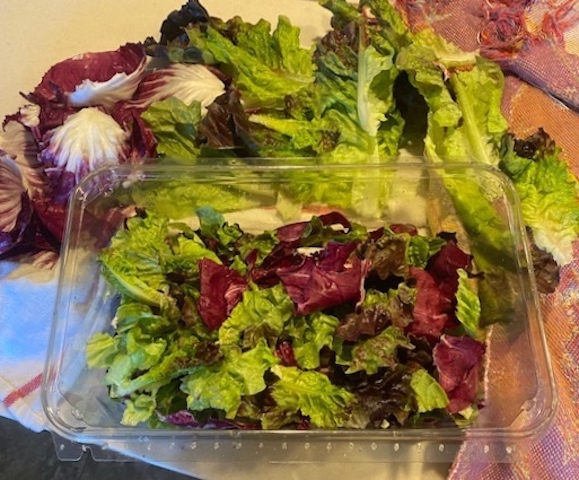
4. Return to the practice of buying whole heads of salad greens. Store them in a one pound container that previously held mixed greens.
5. Continue to sort and recycle plastic containers and single-use plastic bags.
A change in daily habits takes time and effort. I can attest to that. It also leaves one with the sense of being, in a small way, empowered.
I hope some of you have already developed habits that reduce your use of plastic. Do you have suggestions you would like to share? Please send them!